
Economic inequality
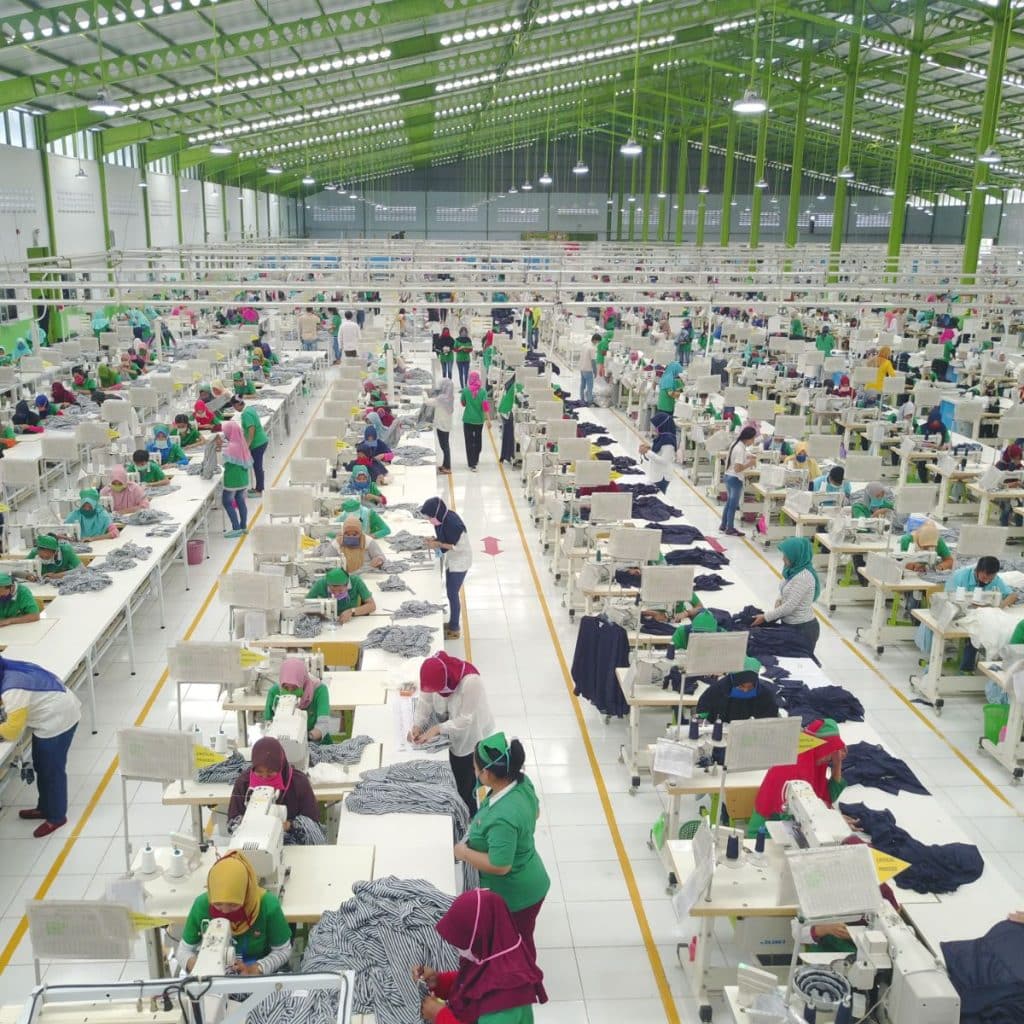
Despite being concentrated in lower paid positions and informal work arrangements, women are typically key providers for their families in garment producing countries. Women’s economic stability tends to have a ripple effect within their communities: improving health and education outcomes for their children and families.
The WRC has documented the adverse impacts on garment workers, their children and communities when women lose their jobs. For example, when brands and retailers canceled orders or refused to pay for orders during the Covid-19 pandemic, workers faced deprivation for families: homes lost, malnutrition, disruption of schooling for children, and extortionate debt. Further, women are often routinely fired for becoming pregnant, denied legally mandated benefits like maternity leave and childcare, and are especially vulnerable to harassment and abuse.
Ensuring that women garment workers can access secure employment, fair pay, and workplaces free from discrimination and harassment is essential to addressing systemic gender inequity. Moreover, when women’s labor is recognized, protected, and adequately compensated, entire communities benefit: children’s education is supported, households are stabilized, and cycles of exploitation begin to break.
Economic Justice for Garment Workers
Since our founding, the WRC has helped garment workers recover over US $150 million in legally owed back pay and severance by holding brands and suppliers accountable for wage theft and labor law violations. These recoveries represent vital income for households that depend on women’s earnings to sustain livelihoods.
However, research and monitoring consistently show that current pay levels in the global apparel industry fall far below a living wage, forcing workers to rely on excessive overtime or debt simply to survive. Therefore, continued advocacy for fair wages to push brands and suppliers to commit to living wage standards is a core pillar of the WRC’s work in addressing gender equity.
The ability to organize, speak, and protest collectively is also essential to ensure sustained improvements in working conditions and advancing gender equality. The WRC’s work to uphold freedom of association is central to our mission of supporting workers, particularly women, to advocate for their rights and hold employers and brands accountable.
Related pages
JOIN OUR NEWSLETTER
Sign up to the WRC’s mailing list to stay updated on our work.