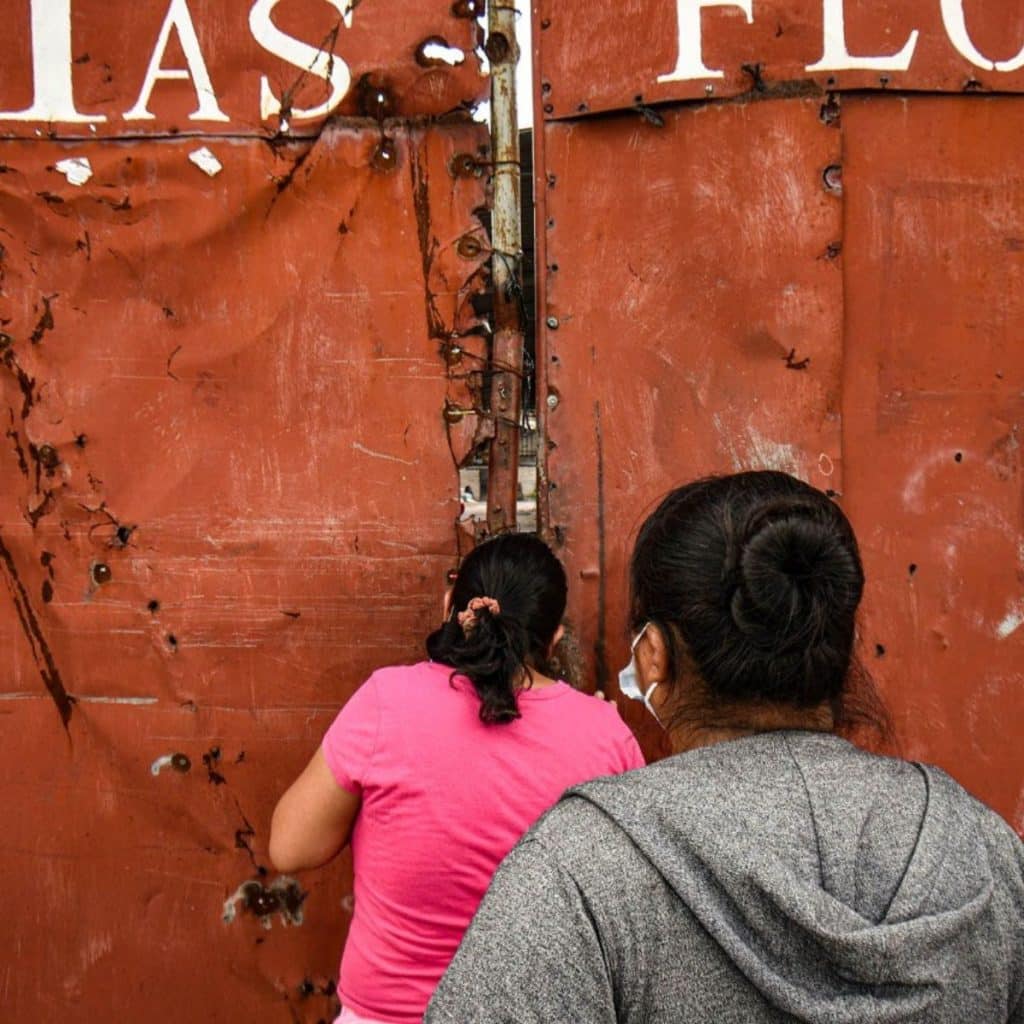

Unchecked corporate power
There is a profound opportunity for consistent and effective corporate regulation and oversight in the garment industry.
A Lack of Accountability
The exploitative working conditions faced by workers in the garment industry are rampant, and there are limited meaningful pathways with which to hold brands accountable for protecting or remediating rights abuses, despite their public commitments to respecting rights and labor laws.
Decades of exposés on rights abuses in garment factories have reshaped how brands manage reputational and operational risk, as revelations of sweatshop conditions sparked public outrage, investor concern, and industry response. This has prompted many companies to commit to widespread voluntary corporate social responsibility commitments aligned with global human rights standards to assuage concerns and mitigate reputational damage. Investors have responded by introducing enhanced environmental, social, and governance (ESG) due diligence screenings and integrating labor standards into ESG assessments.
However, while policy commitments to decent work are now standard across the garment industry, these commitments are systematically unmet. There is a disconnect between what apparel corporations say and what they do and, therefore, a profound need to find binding pathways to hold brands liable for rights abuses and exploitation in their supply chains.