

Occupational health and safety
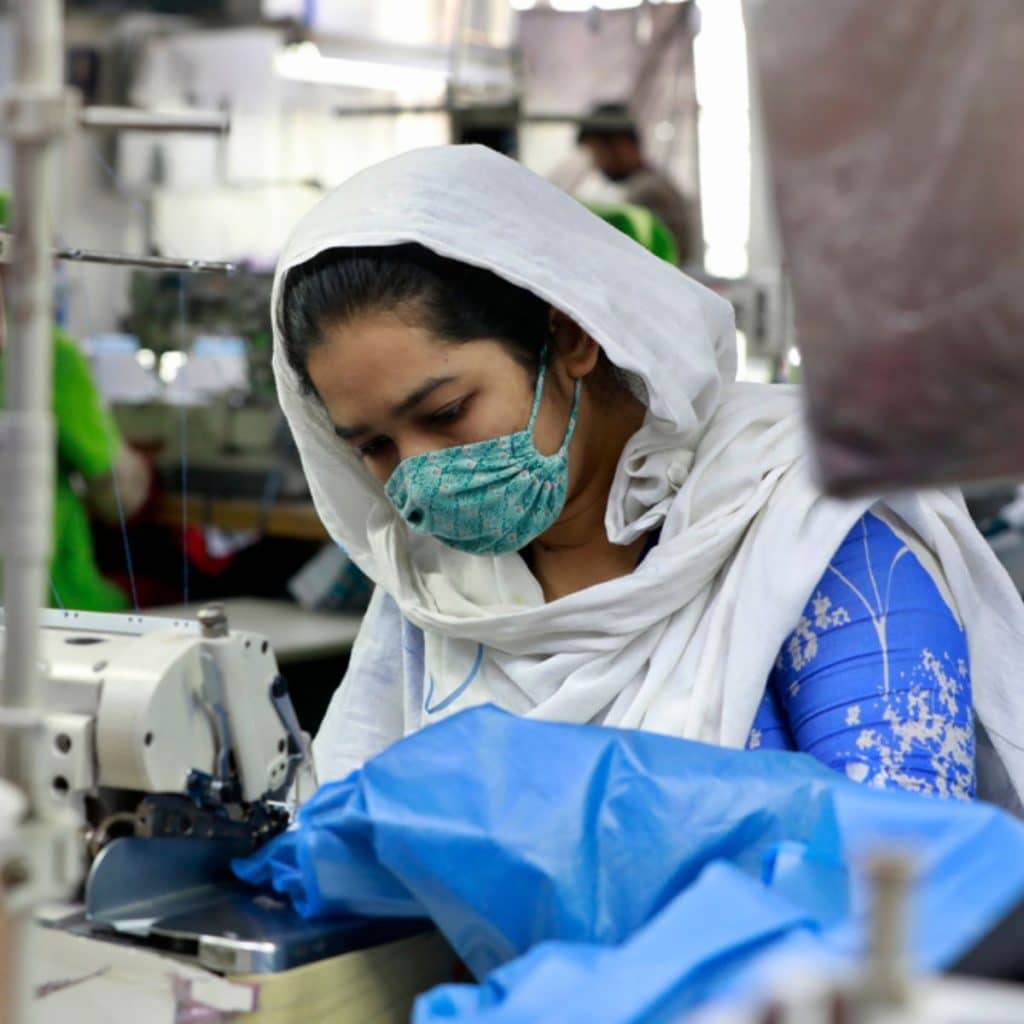
Even with the existence of national and international laws that protect workers’ right to safe and healthy working environments, factory conditions remain unsafe across the garment industry.
Many of these safety and health hazards are longstanding. Some factories have lacked proper safety equipment for workers or exposed them to dangerous chemicals, while others have had unsafe electrical wiring, which increases the risk of fire—a danger often compounded by a lack of adequate alarm systems and escape routes. And some factories, particularly in Bangladesh and across South Asia, are structurally unsound, which increases the risk of a building collapse like Rana Plaza in 2013, which killed 1,134 workers.
The WRC played a key role in establishing binding safety accords in Bangladesh and Pakistan by advocating for enforceable workplace safety standards, monitoring factory compliance, and holding brands accountable for improving conditions in the garment industry.
Thanks to the Bangladesh Accord, more than 140,000 safety repairs have been made in more than 1,600 factories across Bangladesh employing over two million workers—and at least 50 extremely unsafe factories were evacuated, any one of which could have been the next Rana Plaza.
Related pages
Occupational health and safety news
JOIN OUR NEWSLETTER
Sign up to the WRC’s mailing list to stay updated on our work.